Wednesday, 19 July 2023

EXPLORING THE EFFICACY AND SAFETY OF ROBOTIC KNEE SURGERY

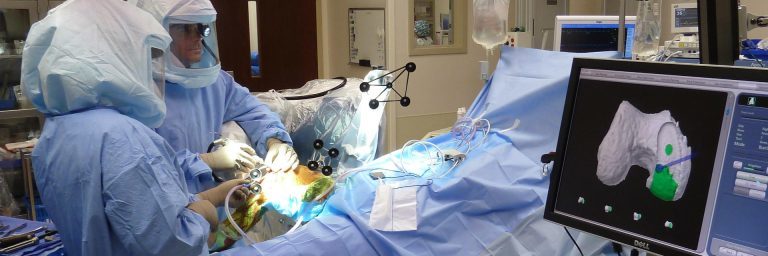
 Robotic knee surgery has been a game-changing treatment for orthopaedic issues in recent years. It may increase surgical accuracy, improve patient outcomes, and facilitate a quicker recovery. Significant attention has been paid to this cutting-edge technology.

However, the effectiveness and safety of any new surgical method are two important considerations. The best orthopedic doctor in Mumbai, Dr. Kunal, discusses the effectiveness and safety of robotic knee surgery after thoroughly examining its advantages, difficulties, and continuing research. Let's examine these following aspects in more detail:

1.Benefits:

Improved Surgical Precision:- The main benefit of robotic knee surgery is the increased surgical accuracy. Robotic systems with cutting-edge imaging methods and computer help are used in the technology. By constructing a three-dimensional model of the patient's knee, it aids in exceptional procedure planning for surgeons. This element has made it feasible to put implants in the best possible locations, improving alignment and stability. As a result, the overall function of the knee joint is enhanced.


Reduction in complications:- Recent studies have shown that robotic knee surgery has fewer problems than conventional methods. Errors during the treatment, such as poor implant alignment or excessive bone removal, are less likely using the robot-assisted method.


Faster recovery:- Robotic knee surgery is a minimally invasive procedure that results in smaller incisions, less blood loss, and less stress to the surrounding tissues, which promotes quicker healing and less postoperative discomfort.


Personalized Approach:- The method enables the creation of a customized strategy based on the individual anatomy of each patient. Due to the accurate mapping of the patient's knee joint, the surgeon can choose the ideal implant size and orientation for the patient. Better results and patient satisfaction are two benefits.


2. Research and Clinical Data:- In order to evaluate the effectiveness and safety of robotic knee surgery, several clinical trials have been carried out. They have consistently shown promising benefits, such as better implant location, less problems, shorter hospital stays, better patient outcomes, and long-term effects.


3.Challenges:- There are significant difficulties with robotic knee surgery as well, which prevents this method's optimization. The initial expense of using robotic technology is a problem in and of itself, and it can prevent some patients from having access to this surgical alternative. To get the best results, training doctors in the use of the robotic system is also crucial. To maximize the potential of this approach, ongoing research, training initiatives, and the exchange of best practises among surgeons are required. This also presents a problem that has to be resolved.


We may sum up by saying that robotic knee surgery has the potential to become the norm in medical practise, which might significantly improve the lives of people with knee disorders and joint degeneration.


https://hindustanlive.net/exploring-the-efficacy-and-safety-of-robotic-knee-surgery/

Monday, 17 July 2023

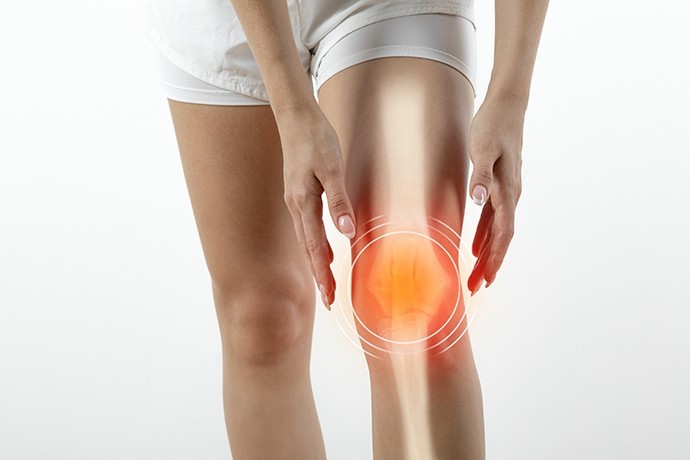
Managing Knee Osteoarthritis: Treatment Options and Lifestyle Changes

 Osteoarthritis of the knee joints is a degenerative disorder. The protective cartilage that cushions the knee joints gradually deteriorates over time as a result of wear and strain, and the protective space between the bones shrinks. As a result, there is friction between the bones, which affects the knees and can result in painful bone spurs. Stiffness, puffiness, and inflammation are also present. Even youngsters can get it, however it most frequently begins in persons over the age of 50. It starts off subtly but becomes worse with time.


Despite being an incurable illness, knee osteoarthritis can be slowed down in progression with the help of some medications and lifestyle adjustments. For situations that require more drastic action, surgery is chosen.

Causes:

Aging
Past Knee Injuries
Obesity
Repetitive stress on the joints.
Symptoms:

Pain
Stiffness
Reduced mobility
Inflammation


Treatment Options and Lifestyle Changes for Managing Knee Osteoarthritis:- 

Knee osteoarthritis may be managed and its symptoms relieved with the help of certain therapies and lifestyle changes, according to Dr. Kunal Patel, the best orthopaedic surgeon for knee replacement in Mumbai. Here are some of them:-

1.Oral Medications:- Pain and other symptoms can be alleviated with the use of prescription and over-the-counter (OTC) medications. These include over-the-counter NSAIDs like ibuprofen, acetaminophen in the event that NSAIDs are ineffective, and topical combinations including NSAIDs or capsaicin. Duloxetine with tramadol can be recommended by a doctor if OTC medications don't work.

2.Injections:- For temporary relief in serious situations, corticosteroid injections can be administered directly into the knee joint.

 3. Physical Therapy:- To increase knee strength, flexibility, and general function, a physical therapist can create a personalized training program that includes exercises that are relevant to the patient's condition. Exercises with low impact, strength training, and range of motion can all be added.

 4. Weight Management:- Inflammation can be relieved by maintaining a healthy weight since it puts less strain on the knees. It can greatly lessen symptoms and stop this condition's progression from getting worse.

5. Assistance Devices:- The knee joint can be supported and symptoms can be managed on a daily basis by using canes, walkers, or braces.

6. Hot and Cold Therapy:- Cold and heat treatment applications might lessen the discomfort. Heat application can aid in blood circulation improvement and muscle relaxation. Application of cold can lessen inflammation.  

7. Low-Impact Exercise:- Exercises with low impact, such as swimming, water aerobics, cycling, walking, yoga, and stretching, can help you lose weight, improve joint mobility, put less strain on your knees, and strengthen the muscles around them. The doctor or physical therapist can create a customized program that is suited to the patient's requirements.

8. Healthy Diet:- A balanced diet rich in fruits, vegetables, proteins, and grains can help your joints stay healthy. Omega-3 fatty acids, which are found in fish and nuts, are among the nutrients that have anti-inflammatory effects. 

9. Preventive Actions:- Activities that create an excessive amount of strain on the joints should be avoided, and additional preventive measures should be done including maintaining good postures during all activities, using supportive footwear, and taking enough rests while standing or walking for extended periods of time.

10. Alternative Therapies:- Acupuncture, tai chi, and yoga therapies have all been shown to be effective in enhancing joint mobility and minimizing discomfort.

11. Stress Management:- The patient's emotional health may suffer as a result of the pain and other symptoms. Techniques for managing stress, such as yoga, meditation, and counselling, might enhance quality of life during these periods.

12.Surgery:- The doctor may recommend a surgical intervention such as arthroscopic surgery, osteotomy, or total knee replacement if medications and lifestyle changes are also ineffective in relieving the symptoms.


Visit Dr. Kunal Patel at Punit Hospital, orthopedic hospital in mumbai, if you have knee osteoarthritis and are searching for a customized treatment plan.


https://drkunalpatel.com/managing-knee-osteoarthritis-treatment-options-and-lifestyle-changes/

Wednesday, 5 July 2023

Hip Arthritis: Disease and its types

 Joint issues are concerning when they first appear since they can seriously affect everyday activities and quality of life. To control the symptoms and enhance joint function, they frequently need surgery, physical therapy, pain management methods, and dietary modifications. They have an impact on the joints, causing discomfort, stiffness, inflammation, and decreased mobility. The most typical joint ailment is arthritis, which literally translates to "inflammation of the joint." It is a chronic illness that worsens with time.


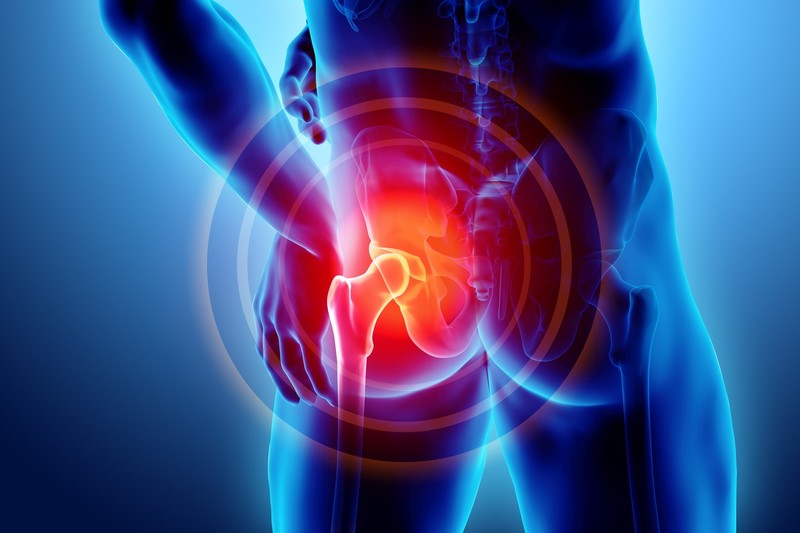
Hip arthritis is a degenerative joint disorder that damages the cartilage of the hip joint, said Dr. Kunal Patel, an Arthritis Specialist Mumbai. Damaged cartilage becomes thin and rough, which causes the distance between the bones to get smaller. Pain and stiffness result from the rubbing of one bone against another when moving. Bone spurs, which are bone growths on the margins of bones that alter their form, can also be caused by friction between bones.


Types of Hip Arthritis:
The two main types of Arthritis are mentioned below:-

1.Osteoarthritis:- Osteoarthritis, the most typical form of hip arthritis, is referred to as "arthritis of the bone." It happens as a result of progressive wear and tear. Hip joint cushioning cartilage deteriorates, causing discomfort, stiffness, inflammation, and decreased mobility. Either hip may experience it, or both hips.

Causes of Osteoarthritis:

   Aging
Structural problems (like hip dysplasia, femoroacetabular impingement)
 Past hip injuries
Obesity
Repetitive stress on the joint.


Stages of Osteoarthritis:
Stage 1:- Small bone spurs and mild hip joint wear and tear. Little to no discomfort is present.

Stage 2:- Along with pain, irritation, and stiffness, an X-ray shows that the cartilage is beginning to deteriorate and that bone spurs are present. 'Mild hip osteoarthritis' is the term used to describe it.

Stage 3:- The distance between the hip bones narrows when the cartilage begins to deteriorate. Pain and swelling are brought on by standing, kneeling, or crouching. The condition is called "Moderate hip osteoarthritis."

Stage 4:- The cartilage has sustained total destruction. There is ongoing discomfort, stiffness, and inflammation.


2.Rheumatoid Arthritis (RA):- The whole body is impacted by rheumatoid arthritis, an autoimmune condition rather than a result of wear and tear. The hip joint is finally reached after beginning with the wrist and finger joints. A specific capsule that surrounds the hip joint has a unique lining (the synovial lining) and is filled with lubricant to support the joint's smooth motion.

The synovial lining cells of the hip cartilage are painfully irritated by RA, and these inflamed cells produce substances that eventually erode the cartilage. In most cases, it strikes both hips at once. Juvenile rheumatoid arthritis is a kind of illness that can affect anybody and affects more women than men. Medication can make it better.


Additional types of Hip Arthritis:
3.Psoriatic Arthritis:- People who have the skin ailment psoriasis, which can lead to joint inflammation, may develop psoriatic arthritis. Any joint, including the hip joint, is susceptible. Psoriatic arthritis sometimes occurs after the skin problem, but sometimes the progression is the other way around. It may affect any joint in the body, including the hip, and cause joint pain, edoema, and stiffness.

4.Hip Arthritis Due to Avascular Necrosis:- A bone that has avascular necrosis loses its blood supply and crumbles. It forms in the femoral head, the ball of the hip joint, in the hip. Severe hip arthritis might result from the femoral collapse and loss of form.


5.Ankylosing spondylitis:- Inflammation of the spine and sacroiliac joint, which connects the spine to the pelvis, characterises ankylosing spondylitis. Additionally, it might lead to hip joint irritation. It begins between the ages of 17 and 35 and affects everyone, including children. It affects men more frequently. Flares followed by little or no symptoms are some of the signs.


 6.Systemic Lupus Erythematosus:- Lupus, also known as systemic lupus erythematosus, is an autoimmune condition that can harm any joint and result in arthritis. Although it may happen to anybody, women between the ages of 15 and 35 are more likely to experience it.


Visit Mumbai's top bone expert, Dr. Kunal Patel, for more information about hip arthritis.

https://drkunalpatel.com/hip-arthritis-disease-and-its-types/